Bio
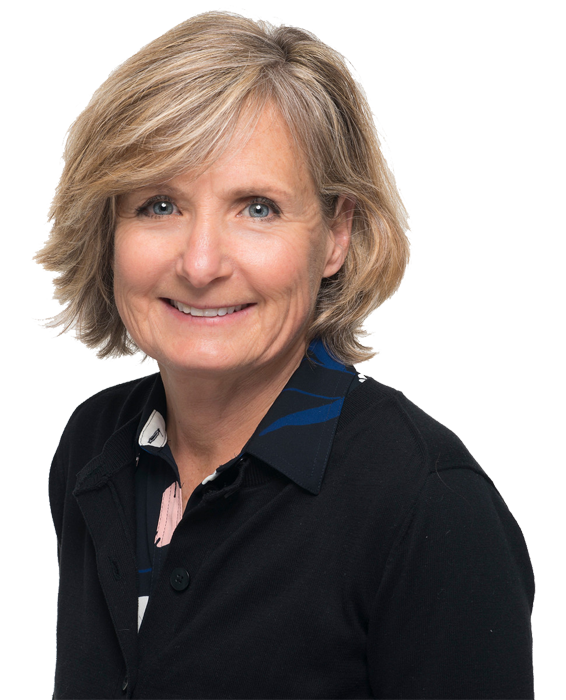 Dr. Denise Clark brings unique experiences and knowledge to her practice. After completing undergraduate studies in Chemistry and Engineering at Pennsylvania State University and the University of Colorado, Dr. Clark embarked on a distinguished career of twenty years with the U.S. Environmental Protection Agency (EPA). She received many awards for leading environmental programs and initiatives in Colorado, Washington and the District of Columbia.
After experiencing chronic fatigue syndrome (CFS) for many years and receiving no diagnosis, a Naturopathic Physician identified an Epstein Barr viral infection as the cause of the CFS. She came to understand that mold exposure and mycotoxins prolonged her recovery.
Read Full Bio
Using diet, herbal remedies, supplements, targeted detoxification, and mind-body medicine she made a full recovery. Dr. Clark’s experience drove a passion that inspired her to help others with difficult to diagnose or complicated illnesses and lead her to obtain a degree in Naturopathic Medicine. Dr. Clark received her Doctorate Degree from Bastyr University, in Kenmore, WA, 2002.
Throughout her practice, Dr. Clark developed a focus on complicated cases of chronic infections, mold/mycotoxin Illness, heavy metal toxicity, mast cell activation, chronic fatigue syndrome, digestive disorders and notably, acute and chronic Lyme Disease as well as Post-Treatment Lyme Disease Syndrome. She has been teaching other practitioners on how to recognize, test and treat mycotoxin illness and chronic Lyme disease.
Dr. Clark has also been practicing integrative oncology since the beginning of her naturopathic career. She has attended several integrative oncology conferences through the AAMP and completed the Mistletoe & Integrative Oncology Introductory Course through the Physician’s Association of Anthroposophical Medicine.
Dr. Clark is a past President of The Colorado Association of Naturopathic Doctors, served as the Association Legislative Chairperson and received the distinctive award, “Doctor of the Year” from the American Association of Naturopathic Physicians in 2013. She is a member of the Oncology Association of Naturopathic Physicians, Gastroenterology Association of Naturopathic Physicians and International Society of Environmentally Acquired Illnesses.
She lives in Louisville, Co with her dog Maisie where she enjoys cross country skiing, running, hiking, and pickleball.
Schedule
Conditions Treated
Dr. Clark is an experienced naturopathic doctor specializing in complex, chronic illnesses. Her practice covers:
Read More
Dr. Clark has been treating complex, chronic illness for over 20 years and has experience treating many health conditions. She considers herself a consummate researcher which has helped her find ways to help those with complicated health issues.
Specific Conditions
General Health and Wellness
Dr. Clark’s career as a naturopathic doctor in Colorado started at an integrative medical clinic in South Denver under the license of a group of medical doctors. They sent her their more complicated and she assisted in treating more common conditions, including:
- high blood pressure
- diabetes
- fatigue
- weight loss
- asthma
- high cholesterol
- headaches
Women’s Health
Next, she spent approximately one year working at a clinic in Boulder specializing in women’s health. The conditions treated were:
- PCOS
- Dysmenorrhea
- Irregular menstrual cycles
- Menopause
- Anxiety
- Allergies
Gastrointestinal Disorders
As a naturopathic doctor one of the primary areas of focus for good health and longevity is the digestive system. This is a focus for all her patients. She is a member of the Gastroenterology Association of Naturopathic Doctors. Certain conditions treated include:
- Crohn’s Disease
- Ulcerative Colitis
- Irritable Bowel Syndrome
- GERD
- Eosinophilic Esophagitis
- Gastritis
- Small Intestine Bacteria Overgrowth
- Constipation
- Unexplained diarrhea
- Parasite infection
Lyme Disease and Mold/Mycotoxin Illness
Dr. Clark’s first experience diagnosing Lyme disease and mycotoxin exposure from mold was while working at a Fibromyalgia Center. Since 2007 her primary focus is Lyme and associated disease as well as mycotoxin illness. She is a member ILADS and ISEAI, studied with a Lyme Literate Medical Doctor for 3 years, and taught other medical professions on how to diagnose and treat Lyme disease and co-infections as well as mycotoxin illness.
- Complicated, multi-systemic illness
- Fibromyalgia
- Mold/mycotoxin/CIRS
- Lyme and Associated Diseases (chronic infection)
- Chronic Fatigue Syndrome
Oncology
Dr. Clark has been supporting those dealing with cancer diagnosis since the beginning of her career with diet, nutrient therapy, IV therapy and mistletoe therapy and as a patient advocate. She has attended several integrative oncology conferences through the AAMP and completed the Mistletoe & Integrative Oncology Introductory Course through the Physician’s Association of Anthroposophical Medicine.
Skin
- Acne
- Ezcema
- Psoriasis
- Hives
Pediatrics
Dr. Clark works with children of all ages.
General Health
High blood pressure, diabetes, fatigue, weight loss, asthma, high cholesterol, headaches.
Skin Conditions
Acne, eczema, psoriasis, hives.
Women’s Health
PCOS, dysmenorrhea, irregular cycles, menopause, anxiety, allergies.
Pediatrics
Care for children of all ages.
Gastrointestinal Disorders
Crohn’s disease, ulcerative colitis, IBS, GERD, eosinophilic esophagitis, gastritis, SIBO, constipation, unexplained diarrhea, parasite infection.
Lyme Disease & Mold/Mycotoxin Illness
Lyme and associated diseases, mold/mycotoxin/CIRS, chronic fatigue syndrome, fibromyalgia, multi-systemic illness.
Oncology
Support for cancer patients through diet, nutrient therapy, IV therapy, mistletoe therapy, and advocacy.
Services
Learn about Dr. Clark’s fees and available testing options.
First Office Call (FOC)
60-90 minutes
- Full medical and social history
- Diet and exercise history
- Detailed symptom list
- Review of Systems
- Initial Treatment which may include but not limited to:
Diet, exercise, nutrient therapy, herbal remedies, homeopathic remedies, mind-body support and further testing - Timeline of treatment and what to expect as treatment progresses
Cost: $395 Book Now
Children First Office Call (FOC)
18 years of younger
Cost: $285 Book Now
Return Office Call (ROC)
30 minutes: $100 Book Now
45 minutes: $150 Book Now
Review of treatment plan and further treatment recommendations
You will pay the laboratory for all testing. Test prices will be provided as needed.
- Food Allergy Testing
- Small Intestinal Bacteria Overgrowth
- Comprehensive Stool Analysis included microbiome assessment
- Comprehensive Blood Work (may depend on insurance coverage)
- Mold/Mycotoxin Testing – Urine or blood work
- Organic Acids Urine Test
- Neurotransmitter Testing
- Lyme disease testing – IgeneX, Galaxy, MDL, etc.
- Heavy Metal Test
- Genetic Testing
- Hormone Testing – blood work and DUTCH Test
- Toxins screening – Vibrant Wellness
- Micronutrient testing – Vibrant Wellness

Patient Testimonials

We have worked with Dr. Clark for our daughter with Lyme disease. She is a great lady and knows A LOT about Lyme.
Roy - Boulder, CO

Dr. Clark is one of the most intuitive, caring, brilliant healthcare providers with whom I’ve had the pleasure of working. She has guided me through some of the most unpleasant, uncomfortable, and downright painful health issues with which I’ve ever dealt, and I honestly don’t know where I would be today without her. Thank you, Dr. Clark, for helping me regain my health and my life!
Hethyr- Boulder, CO

She is wonderful! Dr. Clark knows so much about Lyme disease and she is so knowledgeable about the supplements that will help.
Trisha - Golden, CO
Dr. Clark's knowledge about [Lyme] disease and help with treatment has been such a blessing.
Codye
Get Started
Book an appointment
Better health starts here! Schedule an appointment today
©Denise Clark, ND 2026 All rights reserved